View this post on Instagram
What Does “No-Bleach Hair Colour” Actually Mean?
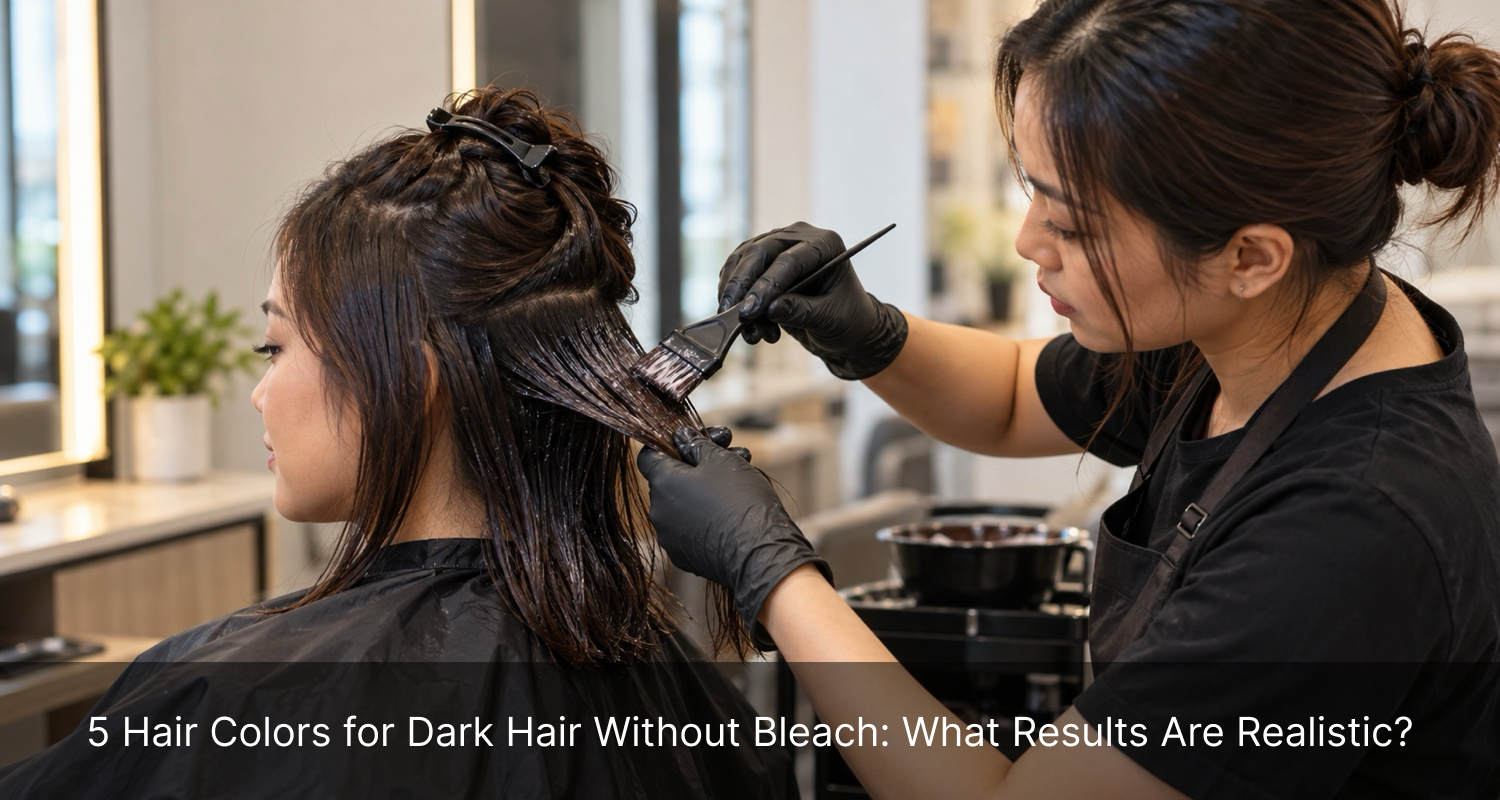
In salon language, “no bleach” normally means the service does not use powder or cream bleach to remove a large amount of natural pigment before adding the target tone. A professional permanent or demi-permanent colour may still use an oxidising developer, depending on the formula and goal.
L’Oréal Professionnel explains that no-bleach lightening generally creates subtler results than traditional bleaching, often by slightly lifting a natural base or adding brighter tonal reflections. That distinction matters: adding a deep red reflection to natural black hair is very different from trying to reach light ash blonde.
Your final result can change according to:
- Your natural base: Natural dark brown may reveal warmth more easily than very dark black hair.
- Previous colour: Artificial black or dark box dye can make lifting and colour correction less predictable.
- Hair condition and porosity: Porous sections may absorb colour differently from healthier sections.
- Grey percentage: Grey coverage may require a different formula from fashion colour.
- Lighting: A shade that looks nearly black indoors may show red, violet or copper reflections outdoors.
- Maintenance: Hot water, frequent washing, heat styling and sun exposure can speed up fading.
This is why a strand test and an honest colour history are more useful than choosing a shade from a screen alone.
Five Realistic Hair Colours for Dark Hair Without Bleach
These are shade families, not guaranteed formulas. A colourist still needs to assess your hair before confirming what is achievable in one session.
1. Chocolate Brown
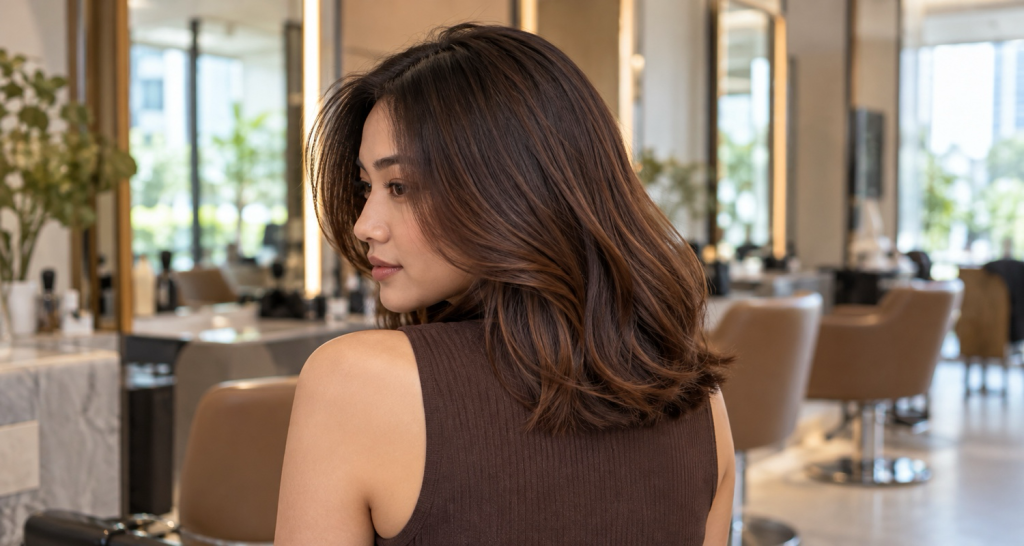
Chocolate brown is the least dramatic option on this list, which is exactly why it works for many people. It can soften very dark hair and add visible warmth and shine without forcing the hair into a much lighter level.
Choose chocolate brown if you want a polished change that still feels natural at work or school. On black hair, expect a brown reflection rather than a light brunette transformation. If your hair was previously dyed black, the difference may be more subtle or may require a separate correction plan.
2. Mocha Brown
Mocha brown blends a deep brunette base with a softer, slightly cool or neutral finish. It is a useful choice if chocolate brown feels too warm but a strong ash tone feels too grey. On dark hair, the change may appear as a smoother, more balanced brown rather than a much lighter colour.
The exact meaning of “mocha” varies between colour ranges. Show your stylist whether you prefer a warm coffee brown, a neutral cocoa finish or a cooler taupe-brown reflection. A name alone is not precise enough to choose the formula.
3. Lavender Brown
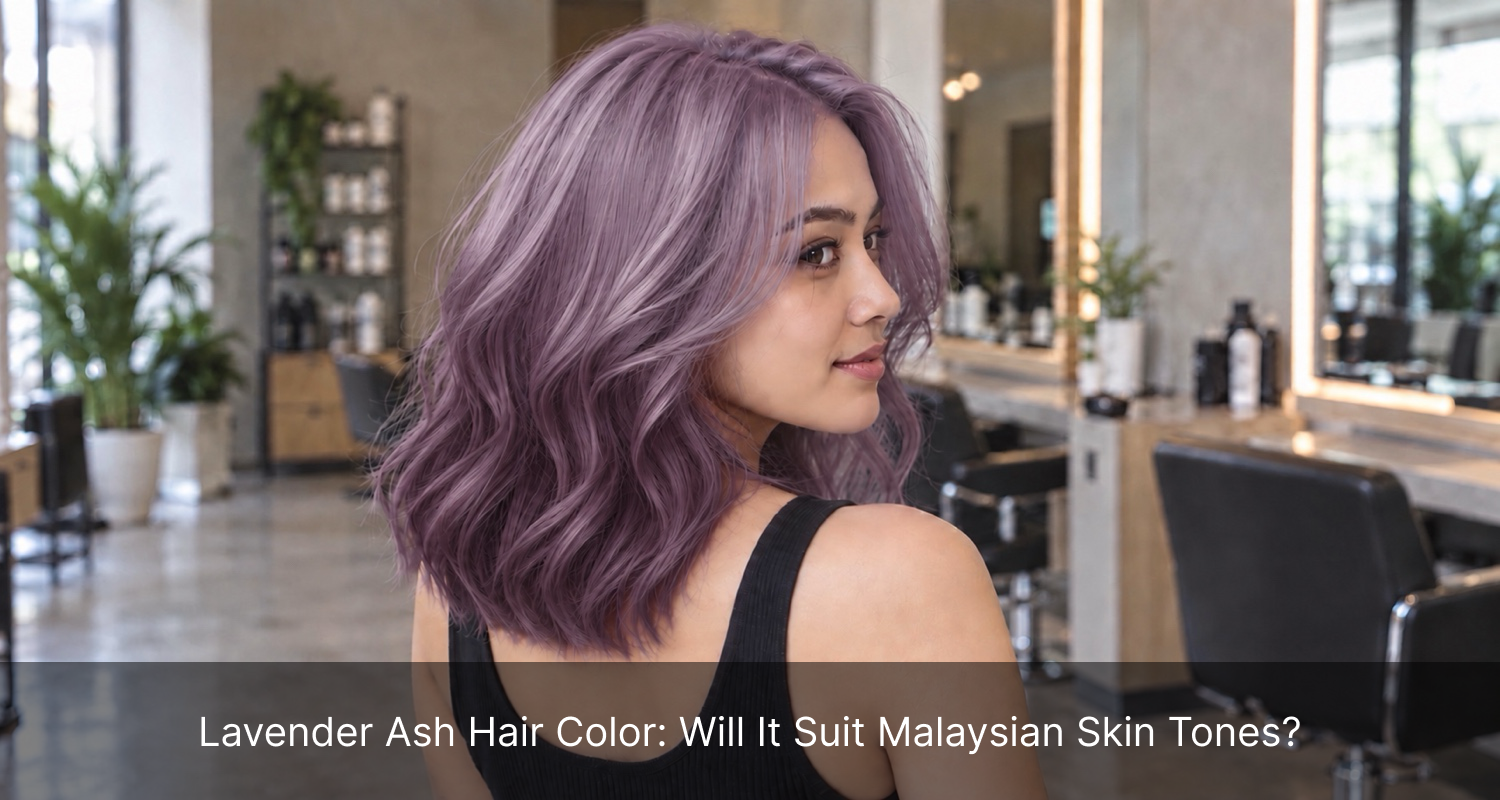
Lavender brown is not the same as pastel lavender or lavender ash. It keeps a brunette base and adds a muted violet reflection. On very dark hair, that violet tone may look understated indoors and become more noticeable in daylight or under bright white lighting.
This shade needs especially careful expectation-setting. If the reference photo shows pale lilac hair, a no-bleach brown formula will not create the same brightness. Ask to see a swatch or a realistic reference on hair with a starting level similar to yours.
4. Mahogany Brown
Mahogany brown is a deep brunette with red and violet warmth. It usually looks richer and more dramatic than chocolate brown while remaining darker and more wearable than a vivid red. The red reflection may become clearer outdoors, while the overall colour can still read as deep brown indoors.
Ask whether you want the result to lean red, violet or mostly brown. This distinction also helps separate mahogany brown from rose brown, which is normally softer and pinker.
5. Rose Brown
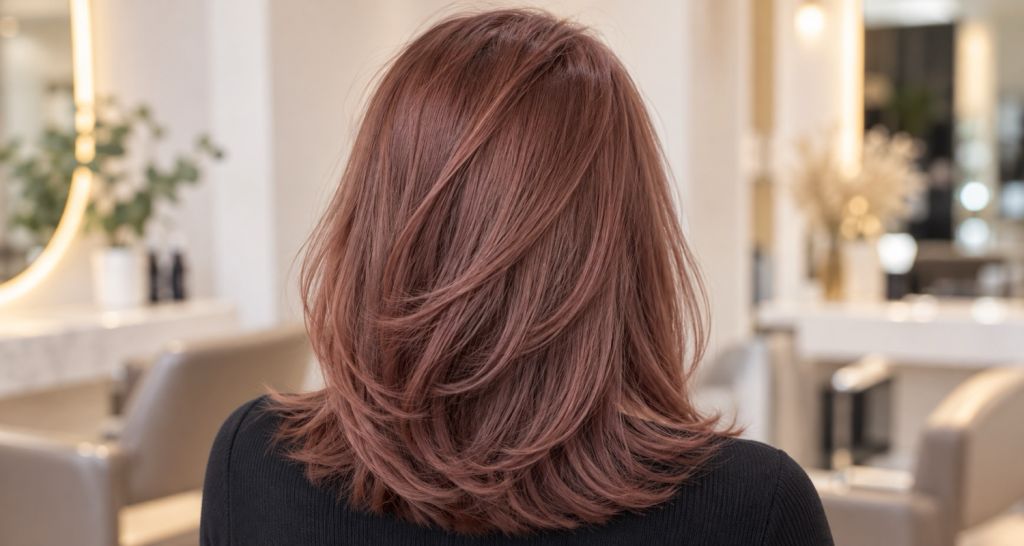
Rose brown combines a brunette base with a muted rosy or pink-red reflection. It is designed to read as brown first and rose second, especially when no bleach is used on naturally dark hair. The effect can be soft and dimensional rather than bright pink.
If your reference photo is dusty pink, rose gold or pastel pink, check its starting base carefully. Those lighter versions often require pre-lightening. On a dark base, a realistic no-bleach expectation is a deeper rose-brown reflection.
Which Colours Usually Need Pre-Lightening?
If your goal is ash blonde, silver, pastel pink, light beige, vivid blue or lavender ash, your hair normally needs to be lifted to a lighter base first. Placing a pale colour over dark hair is like painting with a light translucent colour on black paper: the target shade has too little brightness to show accurately.
The same applies when your chosen photo is several levels lighter than your starting hair. A no-bleach colour can add tone or modest brightness, but it cannot promise the contrast created by substantial pigment removal.
There may be more than one route to a similar overall look. Ask whether a deeper version of the shade, a subtle dimensional technique or a multi-session plan could meet your priorities with a more manageable maintenance schedule.
How to Choose the Right Shade at Your Consultation
Before booking, save reference photos that show both indoor and outdoor lighting. Then prepare these four facts:
- Your natural colour before any dye.
- Every colour, box dye, henna or chemical service used recently.
- How visible you want the result to be indoors.
- Whether avoiding bleach is a preference or a firm limit.
During the consultation, ask:
- What will this shade look like on my current base?
- Will it look different indoors and outdoors?
- Does this formula use developer even though it does not use bleach?
- Is a strand test recommended?
- What will the colour look like as it fades?
- How often will I need a refresh?
A-Saloon lists hair colouring among its salon services and recommends discussing your desired result, hair history and maintenance limits before a chemical service. Use this fuller hair consultation checklist before your appointment.
Is Hair Dye Without Bleach Damage-Free?
No. Avoiding powder bleach can reduce one source of stress, but hair colour is not automatically damage-free. Permanent colour may still alter the hair through oxidation, while repeated processing and heat styling can contribute to dryness or breakage.
Follow the product and professional instructions for your specific service. The US FDA’s hair-dye safety guidance advises following warnings, performing a patch test each time, wearing gloves during home application, rinsing the scalp thoroughly and never mixing different hair-dye products. If you have had a reaction to hair dye before, tell the salon before any product is applied.
The Honest Bottom Line
Hair dye without bleach is a practical choice when you want richer tone, visible reflection and a lower-contrast grow-out—not when you want to turn very dark hair pastel in one visit. Chocolate brown, mocha brown, lavender brown, mahogany brown and rose brown give you five brown-based directions to explore, but your hair history decides how close you can get.
Bring your reference photos and full colour history to a professional consultation. To discuss what is realistic for your current base, view A-Saloon’s salon outlets and contact details.