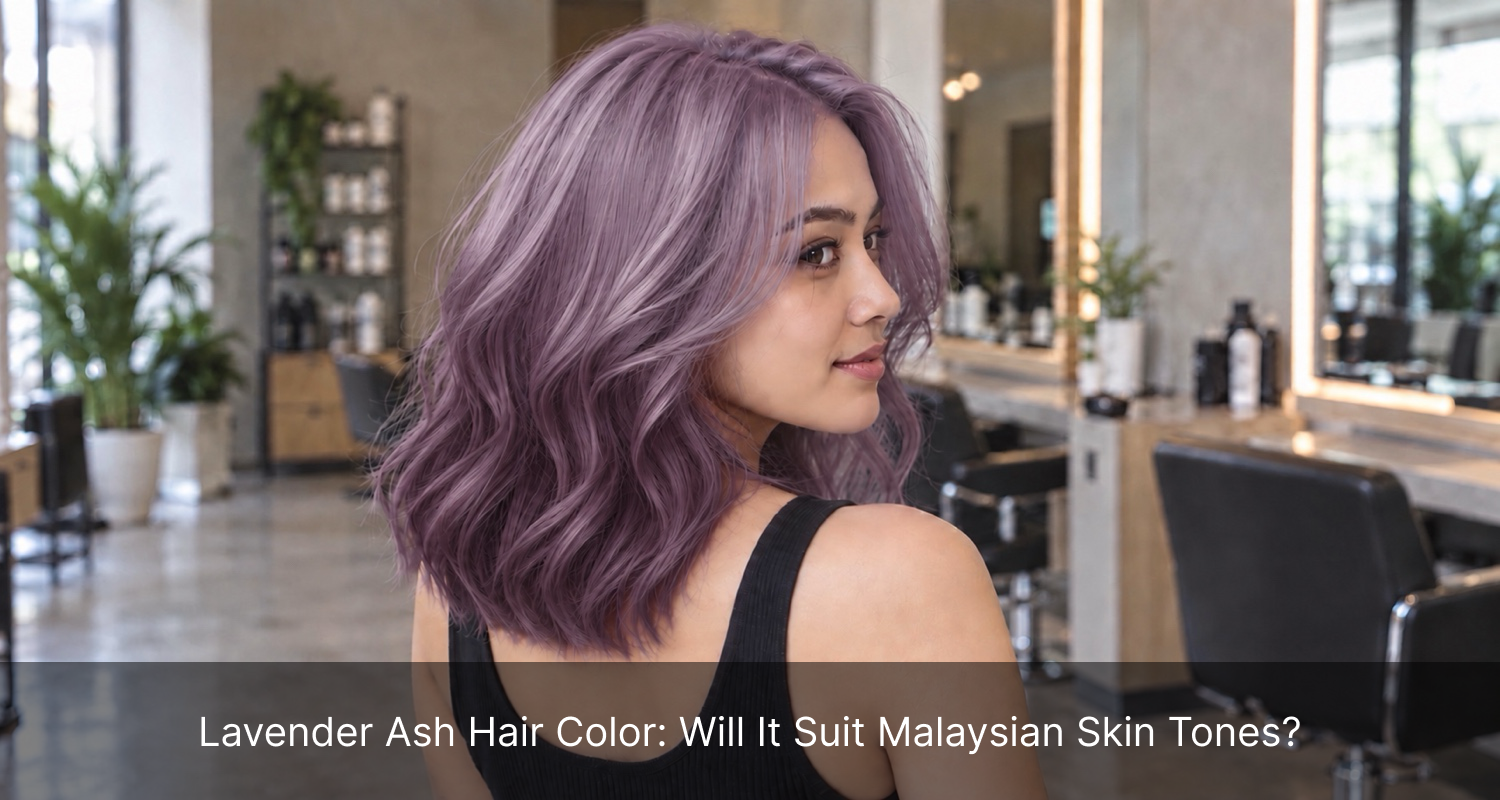
Quick answer: Lavender ash combines a muted violet tone with a cool, grey-looking finish. It can work with different skin tones when its depth and intensity are personalised. A pale version usually requires pre-lightening on dark hair, while a deeper violet-brown interpretation looks different. Your starting colour, hair condition and maintenance preferences should guide the choice.
Lavender ash can look silvery in one photograph and softly purple in another. That shifting appearance is part of its appeal—and the reason a single reference photo can be misleading.
Before choosing it, decide which part you like most. Is it the smoky finish, the visible lavender, or the contrast between darker roots and lighter lengths? These are different design choices, even when they share the same shade name.
What Makes Lavender Ash Different From Lavender Brown?
Lavender ash generally reads cooler and smokier, with a grey or silvery impression alongside violet. Lavender brown keeps a brunette base, so its purple reflection is usually more subdued.
This matters if you are comparing it with a no-bleach brown colour. A dark brown base with violet reflections will not look like a light silver-lilac reference. Ask your stylist to discuss both depth and tone rather than agreeing only on the word “lavender”.
Professional shade names are not universal. One salon’s lavender ash may be more violet, while another version leans grey. A colour swatch and reference images under neutral lighting help make the discussion more precise.
Can Lavender Ash Suit Tan or Warm Skin?
There is no single “Malaysian skin tone”. A useful consultation considers the individual: skin depth, undertone, preferred contrast and the colours you enjoy wearing.
A cooler lavender shade creates more contrast against warm-looking skin. Some people like that contrast; others prefer a softer, less silvery version. Neither preference means the colour is automatically right or wrong.
If you are unsure, compare three reference options beside your face: a deeper smoky violet, a softer grey-lavender and a lighter lilac. Look at them in daylight with your usual makeup, rather than relying on a filtered image. Ask whether deeper roots or a different placement would make the overall design easier to wear.
The goal is a shade you enjoy in everyday life, including when it is tied up, air-dried or viewed under office lighting.
Does Dark Hair Need Bleach for Lavender Ash?
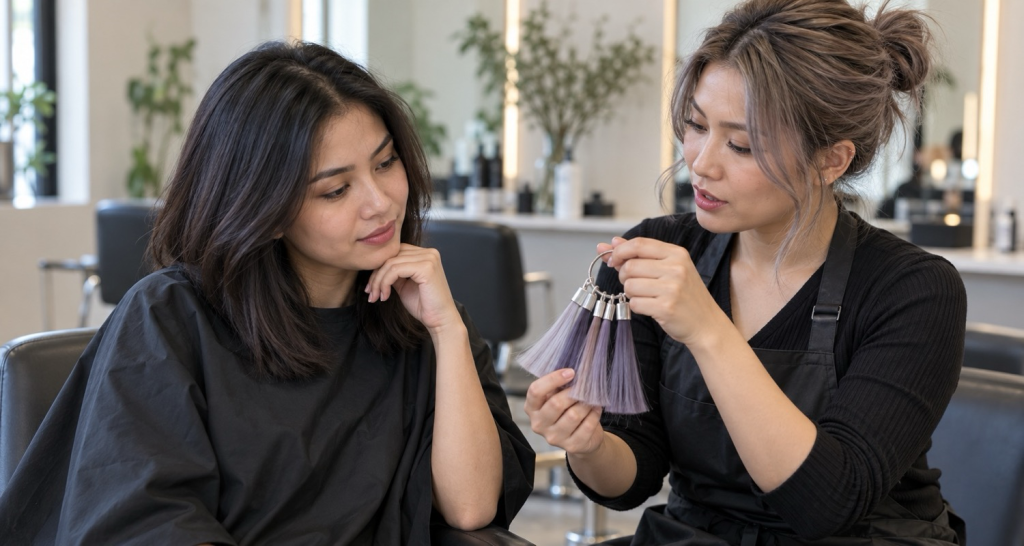
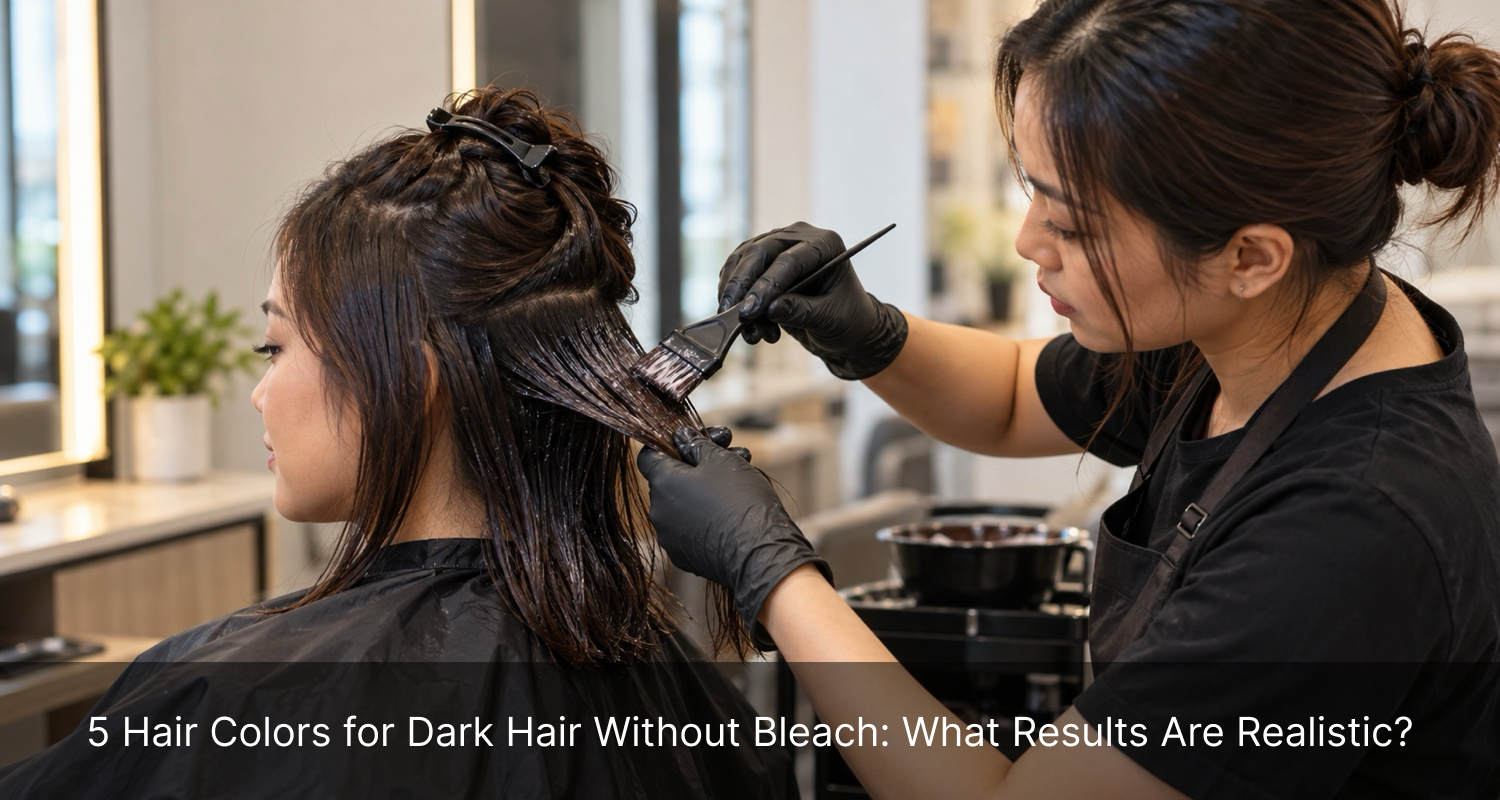
A pale lavender ash result normally needs a sufficiently light base. On naturally dark hair, that commonly involves pre-lightening before the target tone is applied. A deeper colour with violet reflections may require a different process and produces a different visual result.
Wella’s professional violet-blonde guide illustrates violet within a blonde colour context. It is useful inspiration, but it does not establish the formula or lightening plan suitable for your hair.
Previous black dye, uneven colour, old highlights and chemical services can affect the plan. A stylist may recommend testing a small section or spreading the work across appointments. Do not choose the number of lightening sessions before your hair has been assessed.
If avoiding bleach is a firm limit, say so at the start. Discuss a deeper alternative and ask to see what that alternative actually looks like.
Three Ways to Discuss the Look
A Softer Lavender Reflection
Choose references where violet is visible but the hair still has depth. This can suit someone who wants a quieter colour direction, although the preparation still depends on the starting base.
A Smoky Lavender Ash Finish
Here the grey-looking finish is more prominent. Ask how the stylist will balance the coolness with your hair’s underlying warmth and what the colour may look like as the toner fades.
A Lighter Lilac Interpretation
Paler versions place greater emphasis on brightness. Ask about the lightening required, the condition of the lengths and the maintenance needed to retain that delicate tone. A beautiful reference is not a reason to rush the preparation.
What Happens as Lavender Ash Fades?
The visible violet and smoky finish can change over time. Your underlying base, porosity, formula and washing routine all affect how that change appears. Two people starting with similar-looking hair may experience different fading.
Ask your colourist which stage to expect next: a softer lavender, a cooler blonde or more visible warmth. Also ask whether the next appointment is likely to involve a toner refresh, root work or a reassessment of the colour direction.
Avoid choosing a salon colour only for the first photograph. The weeks between appointments are part of the decision too.
How Should You Care for It?
Follow the maintenance plan for the colour system used on your hair. Ask for a suitable shampoo and conditioner, guidance on heat styling and advice on swimming or frequent sun exposure.
Purple shampoo is not a universal lavender top-up. Wella explains that violet pigments can help counter yellow warmth, but a pigmented shampoo and a salon colour service have different purposes. Use the product and frequency recommended for your particular shade; do not assume more pigment will produce a better result.
If the hair feels unusually rough or fragile, tell your stylist before planning further lightening. Colour maintenance should take the condition of the hair into account.
What Should You Ask at A-Saloon?
Bring photos of your current hair and two or three examples of the target. Explain your previous dye and chemical services, and ask:
- Which version of lavender ash is realistic on my current base?
- What preparation is needed, and is a strand test appropriate?
- What result can we aim for at the first appointment?
- How might it fade, and what will the refresh involve?
- What is the full quote, including lightening and toning where required?
A-Saloon lists hair coloring on its official services page. Contact your preferred outlet to discuss the specific shade rather than assuming a colour shown online is available in an identical formula everywhere.
Choose the Version You Can Maintain
Lavender ash is most satisfying when the desired look and the maintenance plan agree. Decide how light, how purple and how smoky you want it, then let a professional assessment shape the process.
Explore the original Instagram inspiration and contact an A-Saloon outlet to discuss your current base and preferred result.